What is a “superfood”? Most doctors and nutritionists will tell you that there is no scientific definition of “superfood,” that it is a marketing buzzword applied to foods that are good for you. Functional medicine specialist Dr. Marsha Nunley, founder of H.E.A.L. Medical, agrees but says: “While it is true that there is no legal or medical specification for a ‘superfood,’ it is without question that there are foods that are high in healthful nutrients and adding them to your diet may reduce your risk of chronic disease and improve your overall health and well-being.”
Superfoods are packed with combinations of vitamins, minerals, healthy fats, and fiber, as well as antioxidants, flavonoids, and phytochemicals – substances found mostly in plants that have a wide variety of beneficial effects. “Including some of these nutrient-dense foods in your daily diet can help ensure that you’re eating for optimal health.”
Dr. Nunley suggests that you start by stocking your pantry and refrigerator with these ten powerhouse foods:
- Blueberries are packed with phytochemicals, antioxidants, flavonoids and soluble fiber and are high in potassium and vitamin C. They can reduce inflammation in the body and have disease-fighting properties that can help prevent cancer, diabetes, heart disease, stomach ulcers, high blood pressure, and high cholesterol. Strawberries and cranberries have many of the same benefits as blueberries. All should be organic as high use of pesticides is common in their production.
- Leafy greens, such as spinach, Swiss chard, and collard greens deliver more nutrients per calorie than just about any other food. They are loaded with fiber and phytochemicals and are high in vitamins A, C, K, folate, potassium, and calcium.
- Broccoli and other cruciferous vegetable such as cauliflower, brussels sprouts, kale, and cabbage contain cancer-fighting nutrients as well as high doses of calcium, folate, fiber, and vitamins A, C, K, E, and the B vitamins.
- Salmon, Wild caught salmon from the Pacific or Alaska is a rich source of omega-3 fatty acids, which can protect against heart disease and stroke. It is also high in protein, vitamin D, selenium, B2, B3, B6, and B12. Other fatty fish, such as sardines and mackerel, have similar benefits.
- Dried beans, peas, and lentils, also known as legumes, are high-energy foods that raise the level of a hormone that curbs appetite. They provide low-fat protein and heart-healthy insoluble fiber as well as calcium, potassium, folate, and the B vitamins. As a side dish in place of bread or potatoes, they keep you full longer.
- Nuts and seeds, especially walnuts, are loaded with healthy fats and minerals. While high in calories, just a handful a day is enough to deliver the benefits, including a form of vitamin E that helps protect the heart.
- Whole grains, brown rice, oats, barley, spelt, rye, farro, wild rice, and some forms of sprouted unrefined wheat. Quinoa is not technically a whole grain but has a similar nutritional profile. Unlike refined grains, whole grains retain the all-important bran and germ of the kernel, which is where a lot of the nutrients are. They provide disease-fighting phytochemicals and antioxidants along with B vitamins, vitamin E, magnesium, iron, and fiber, and reduce the risk of heart disease, stroke, cancer, diabetes, and obesity. Most packaged products contain refined grains. Keep whole grains to moderation in your diet and stay away from refined grains.
- Avocado is loaded with potassium, fiber, healthy monounsaturated fats that protect the heart, and nutrients such as oleic acid, lutein, folate, and vitamin E that deliver protectivebenefits to the eyes and brain. Eating avocados can reduce cholesterol and triglyceride levels.
- Sauerkraut and its spicy cousin, kimchi, are “probiotic” foods that promote the growth of healthy bacteria and prevent the growth of harmful bacteria in the gut. They aid digestion by breaking down carbohydrates that we cannot digest on our own.
- Chocolate – yes,chocolate – but not just any chocolate and not in great quantity. A one-ounce serving of high-quality, dairy-free dark chocolate that’s at least 70% cocoa several times a week can improve blood flow and even lower blood pressure. It helps reduce inflammation and LDL cholesterol and it’s loaded with antioxidants.
Dr. Nunley emphasizes that we shouldn’t look at foods in isolation and shouldn’t base our diets on just a handful of foods, even superfoods. “The healthiest diet is based on a variety of nutritious foods in moderate amounts. If you focus on plant-based foods and lean, sustainably raised animal protein, you’ll be on the right track.”
Marsha Nunley, M.D., founder of H.E.A.L. Medical is board-certified in internal medicine, geriatric medicine, and palliative care. Dr. Nunley specializes in functional medicine, a systems-based approach to treating the whole person.www.marshanunleymd.com
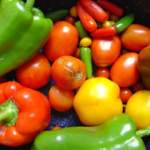 Royal River Natural Foods, a locally-owned independent natural health store in Freeport, Maine, reports a new study of 102,046 men and women during more than a 25-year period that found those who consumed the most colorful plant-based pigments, known as carotenoids, were 40 percent less likely to develop age-related blindness compared to men and women who got the least carotenoids.